
The Internet of Things (IoT) refers to a system of physical objects connected via the internet. There are countless of technical definitions online, but I find the concept easiest to grasp when explained alongside examples.
Think of the Apple watch, Google Home, Fitbits, all these devices are connected to the internet and are capable of sending and collecting data in real time without human intervention.

So what benefits do IoT have in store for your business?
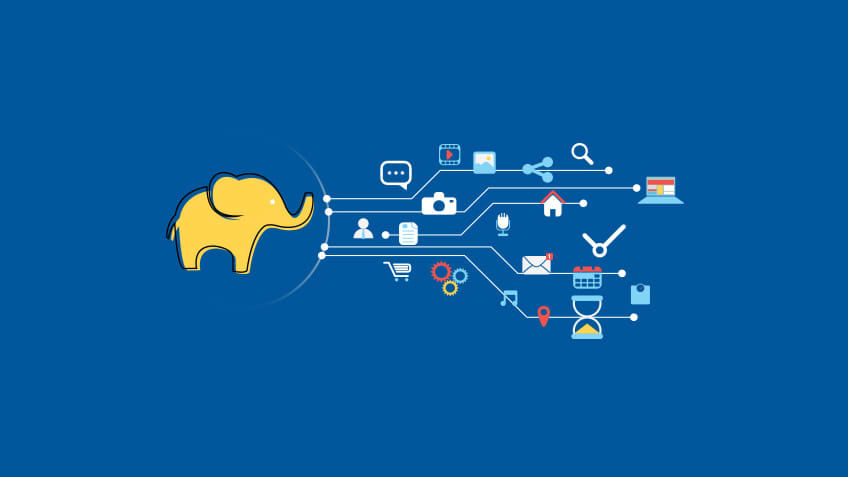
First, it is essential to understand the relationship between IoT and Big Data. According to a study, almost 4.4 trillion gigabytes of data will be generated as a result of IoT, a seemingly incomprehensible figure, but this is where big data comes in.
The role of the latter in IoT is to process vast amounts of data in real-time and storing them using different storage technologies. In simpler terms, big data consolidates data from IoT to provide insights for businesses.
Hence, from a business perspective, this can benefit firms in terms of:
- Analysing existing data
- Revealing market trends
- Discovering correlations within the industry
- Discovering new information
Therefore, it can aid firms in having an improved understanding of data to make efficient and well-informed decisions.
Furthermore, IoT is also reshaping customer service, or more specifically, predictive customer service.

Predictive services involve a situation where businesses use data from IoT connected devices to predict when a problem might occur with that device. Following which, they proactively contact the customer to solve the problem before it even happens. This is already being offered by 3D printer manufacturer Carbon Inc, who are revolutionising what customer service means.
However, while IoT is opening up exciting new possibilities for businesses, it also poses a myriad of risks. In essence, IoT involves collecting, analysing and actioning data while simultaneously allowing firms to have insights into their company and customers. Hence, it is only natural that the risk of compromising privacy and security will be one of the biggest challenges to IoT.
And things have not been looking good on this front. Currently, most IoT devices have very poor security measures put in place, with countless articles outlining how easy it is for hackers to spy on your through webcams or smart TVs.
Cyberattacks have become so advanced that no business, small or large, is immune, making it imperative that businesses remain vigilant to the ever present threat of data hacks.
It appears inevitable that the amount of devices and data will continue to grow in future, but I am highly doubtful over whether IoT security can keep up. Nevertheless, at present, consumers and businesses seem content to accept the trade-offs in security to continue utilising IoT devices.
Why do you think firms and consumers continue to use IoT devices despite the apparent security risks? Will IoT security improve in future or will it face continued setbacks? Looking forward to what you guys think!
 Digital Marketing with Glenn
Hi Glenn, although the security risk are high as you mentioned, I think that firms and consumers will still continue using the IoT devices due to the convenience it provides. With the IoT devices, you can imagine the amount of information one can store or obtain with a just touch on the screen or even effortlessly with just a command. IoT will definitely be the future, therefore, hopefully the advancement in technology will improve security in future so that the IoT will not only provide convenience, but also a peace of mind to their users. Cheers!
LikeLike
Thanks for reading Elton! I agree with you completely, I too am hoping that there users will not have to accept the trade-off in terms of security risks when using IoT devices in future.
LikeLike
Hi Glenn, I personally feel that firms and consumers still continue using IoT technology as the benefits far surpass the risks involved and they have not experienced the potential damage that can be brought about. With the increasing usage of IoT, I strongly believe that the security of it will improve but however do you think this form of information collection will be a safe channel in the long run?
LikeLike
Hey Guan Wei, hopefully the security of IoT will improve in the future! I think that it already is an unsafe channel currently, and firms should put more security measures in place.
LikeLike
I think firms will definitely continue to use IoT despite the risks as the pros outweigh the cons and in the end, profits reign over everything else. I believe technology will creep and improve but so will the setbacks but as long as people still rely on the internet, it will still retain core importance.
As long as our credit card details remain safe, I would be all for IoT.
LikeLike
Thanks for you insights Chyi Han! I have to agree that firms will continue to use IoT, given the proliferation of it’s devices over the years. Moreover, it’s almost impossible to imagine a world where we’re no longer reliant on the internet.
LikeLike