
Living in the era of the information age, marketers have a seemingly endless number of choices at hand to communicate with their consumers, be it traditional, digital, or both. However, the challenge for a successful marketing campaign is ensuring consistency across all marketing channels that reach customers.
This is where Integrated Marketing Communications (IMC) comes in. Simply put, IMC carefully links together all types promotional tools to ensure they work together in harmony. Obviously, you would want all your communication tools to work well together rather than in isolation, as Aristotle coined: “The whole is greater than the sum of its parts”.
Although there is no foolproof way to create a successful IMC campaign, there are a few guidelines marketers should follow if they want to succeed.
1. Think Customers First

First you need to identify and understand your target audience, both in terms of demographics (age/gender) and psychographics (attitudes/interests). Having a good understanding of what channels your target audience frequents, and how they like to receive messages will help you select the most appropriate channels and develop an effective message.
2. Practice Efficient Channel Selection
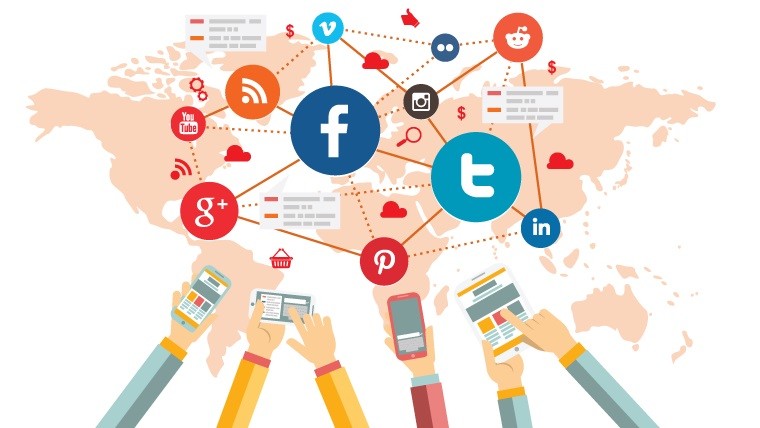
There are tons of channels out there that businesses have experienced great success with, but remember, just because it worked for them, doesn’t mean it’ll work for you. After choosing your channels based on your target audience, evaluate their strengths and weaknesses to ensure they can help attain your business goals. Lastly, remember: “Less is more”, sometimes having 3 channels could give you the same success as 10.
3. Be Consistent

While your messages may be different for each individual channel, you must maintain a consistent visual identity for your brand across all channels. If your brand identity is visually consistent, your audience will immediately know that that is your brand, be it if they come across it on Instagram or your website. I personally find that meditation app Headspace does this very well, as they maintain a consistent look and feel across all their platforms with their cute graphics and cheery colour palette.
4. Create Adaptable Content
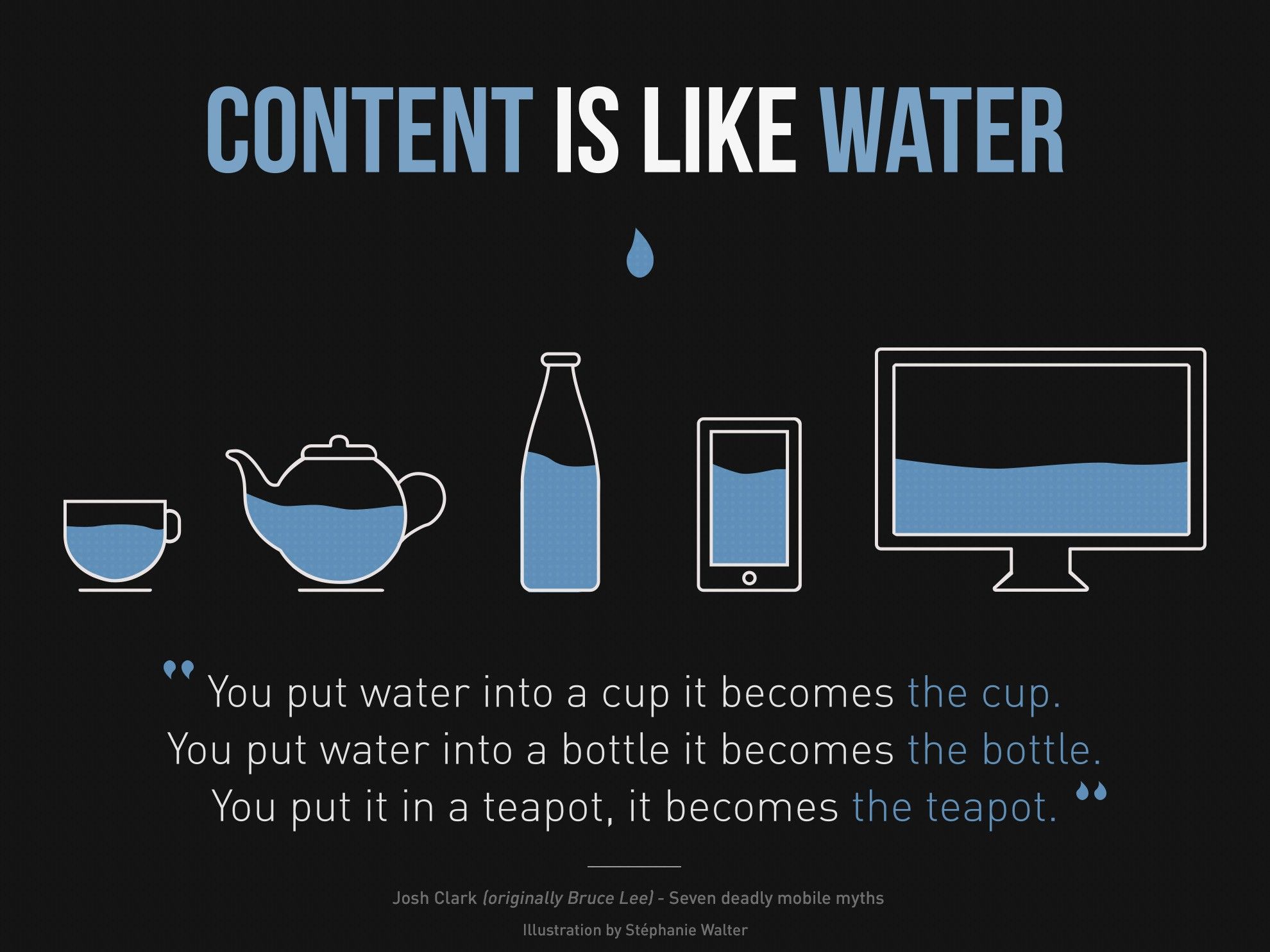
Consistently coming up with content for a single channel is already challenging as it is, but imagine if you had to do that for 10 different channels? Of course, it isn’t impossible, but why work hard when you can work smart. Hence, you should ensure that your content won’t look out of place even if you put it in a different channel. For example, you could take a notable line from a video you created and turn it into a tweet.
5. Integrate at Various of Management

In order to achieve a successful IMC campaign, it is imperative that all managers, and not just marketing managers, understand the significance of a consistent message. However, this can be challenging if your company has poor internal communication or internal marketing.
6. Be Ready to Change it All

Lastly, if you find that your campaign is underachieving, this might call for a change in your IMC strategy. Instead of being discouraged, learn from experience and keep improving until you find your optimal communications mix.
What other tips do you know of that can contribute to successful IMC? Do you disagree with any of the points I mentioned above?
Do let me know in the comments below!
 Digital Marketing with Glenn
Hey Glenn! Thanks for sharing with me on your insights with IMC! It is interesting to see IMC being used as a tool that binds all the promotional tools. I do note that it is a very customer-first tool and having a good understanding of the target audience as well as finding the right channels is crucial for the IMC process to be effective. I like this statement that you pointed out – “imperative that all managers, and not just marketing managers, understand the significance of a consistent message.” I think it is really important to get the internal communication in a business right before executing an IMC strategy! Looking forward to your next post!
LikeLike
Thanks for reading Jon! Yes indeed, I feel that sometimes firms may tend to focus too much on the content of their IMC campaigns and may tend to overlook the internal marketing & communication aspect, which is what the campaign should be founded on in the first place!
LikeLike
Hi Glenn, thanks for the insightful read on IMC. I do know of another tip which might be useful as well, “Tracking your campaign”. After implementing a campaign, it is important to track and analyze the results of the campaign, to see if you are actually achieving your objectives. If it is, then it is good to continue, however, if it is not, immediate actions should be taken to prevent the downfall of the campaign.
LikeLike
Hey Elton! Thanks for the tip about tracking your campaign, that’s definitely an important step that I missed out on, since analytics can provide very insightful information about a campaign’s effectiveness in achieving it’s goals.
LikeLike
Hey man,
Your points are clear and concise, and I agree wholeheartedly. However, in a digital world where things can change drastically in a split second, everything mentioned above may not be relevant in say, a few years time. However, one thing I believe will always remain constant is your first point: “Think customer first”. By appealing to the consumer and providing what they need, there is not much room for failure. One might even say you’re already halfway there.
LikeLike